Innova 5210 Manual: A Comprehensive Guide
This manual provides detailed instructions for the Innova 5210, a best-selling ABS code reader and America’s number one diagnostic tool․
It’s designed for both beginners and experienced users, offering simple menus and step-by-step guidance for confident vehicle diagnostics and repairs․
Welcome to the comprehensive guide for the Innova 5210, a leading diagnostic tool designed to empower both novice and professional automotive enthusiasts․ Recognized as America’s number one diagnostic brand, the Innova 5210 offers an accessible pathway to understanding and resolving vehicle issues․
This device isn’t just a scanner; it’s a gateway to confident car maintenance․ The Innova 5210 excels in reading and clearing ABS codes, providing crucial insights into your vehicle’s anti-lock braking system․ Its user-friendly interface, featuring simple menus and step-by-step instructions, ensures a smooth diagnostic experience, even for first-time users․
Beyond basic code reading, the 5210 aims to simplify the repair process․ This manual will guide you through the device’s features, helping you to accurately diagnose problems and take informed action․ We will also touch upon the broader context of Innova Energie and related issues, providing a holistic understanding of the brand and its impact on consumers․
What is the Innova 5210?
The Innova 5210 is a sophisticated yet user-friendly diagnostic scan tool, widely regarded as a best-selling ABS code reader in the Americas․ It’s designed to bridge the gap between complex vehicle systems and accessible at-home diagnostics, making car repair less daunting for DIY enthusiasts․
Unlike basic code readers, the 5210 offers a comprehensive suite of features, including the ability to read and clear Diagnostic Trouble Codes (DTCs), specifically excelling with ABS-related issues․ It’s more than just a tool; it’s a resource for understanding your vehicle’s health․
However, the Innova brand also has a presence in the energy sector as Innova Energie, a company that has faced scrutiny regarding contract termination fees and issues stemming from the bankruptcy of SEPA Green Energy․ While this manual focuses on the diagnostic tool, understanding the broader context of the Innova name is important․
Key Features and Benefits
The Innova 5210 boasts a range of features designed for efficient and accurate vehicle diagnostics․ Its simple menus and step-by-step instructions empower even first-time users to confidently identify and address vehicle issues․ Beyond basic code reading, it offers advanced functionality for ABS systems, a common area of concern for many vehicle owners․
Benefits include significant cost savings by enabling DIY repairs, avoiding potentially expensive mechanic visits․ The tool’s user-friendly design minimizes the learning curve, while its comprehensive database ensures compatibility with a wide range of vehicle makes and models․
However, it’s crucial to note the broader Innova context; Innova Energie has been involved in disputes over termination fees and handling of customers following the SEPA Green Energy bankruptcy, highlighting the importance of clear contract terms and transparent communication․

Understanding the Device
Familiarizing yourself with the Innova 5210 involves examining its package contents, identifying buttons and ports, and understanding the display indicators for optimal use․
Package Contents
Upon opening your Innova 5210 package, carefully verify that all components are present․ Typically, you should find the Innova 5210 scan tool itself, designed for easy vehicle diagnostics․ A crucial inclusion is the OBD2 cable, essential for connecting the device to your vehicle’s diagnostic port․
Furthermore, the package includes a USB cable, used for software updates and potential data transfer to a computer․ You’ll also receive a quick start guide, providing initial setup instructions and basic operational guidance․ A more comprehensive user manual is also included, detailing all features and functionalities․
Some packages may also contain a CD-ROM or instructions for downloading the latest software updates from the Innova website․ It’s important to retain all packaging and documentation for warranty purposes and future reference․ Inspect all items for any signs of damage during shipping․
Device Overview: Buttons and Ports
The Innova 5210 features a user-friendly interface with several key buttons․ The power button, typically located on the side, initiates device operation․ Up and Down arrow buttons navigate through menus and diagnostic data․ A central OK/Enter button confirms selections and actions․ The Menu button accesses the main function options․
Regarding ports, the primary connection point is the OBD2 port, used with the included cable to link to your vehicle․ A USB port allows for software updates and data transfer to a computer․ Some models may include a reset button for restoring factory settings․
The device’s display is central to operation, showing diagnostic codes, live data, and menu options․ Familiarize yourself with the button layout and port locations for efficient use of the Innova 5210’s diagnostic capabilities․
Display and Indicators
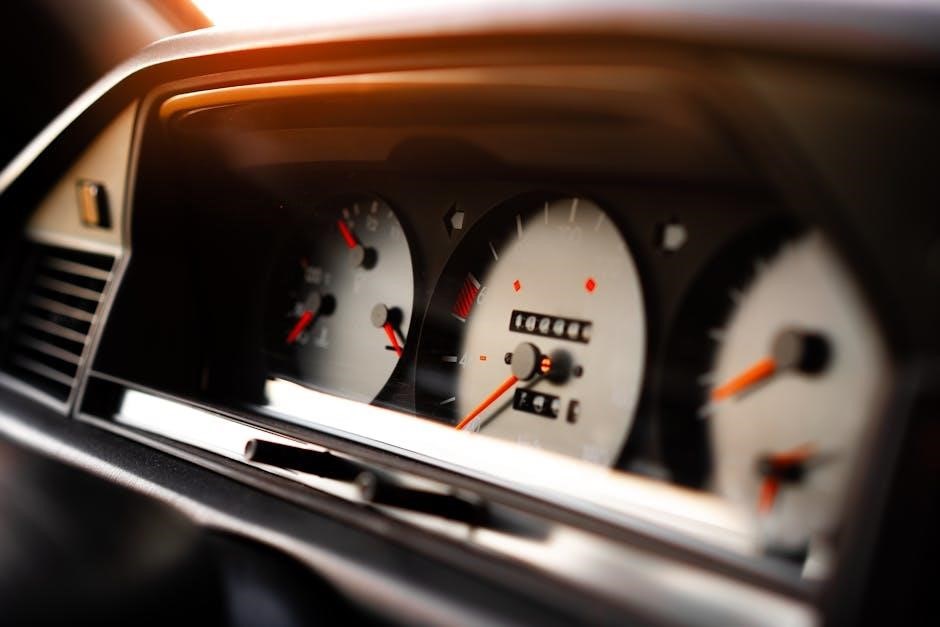
The Innova 5210 utilizes a backlit LCD screen for clear visibility in various lighting conditions․ The display presents diagnostic trouble codes (DTCs), live engine data, and menu options․ Key indicators include a check engine light icon, which illuminates when DTCs are present․ A link indicator confirms a successful connection to the vehicle’s OBD2 port․
Battery level indicators show the remaining power, prompting users to recharge when low․ Text prompts guide users through the diagnostic process, offering step-by-step instructions․ The display also features data stream icons representing different vehicle parameters, such as engine RPM and coolant temperature․
Understanding these display elements and indicators is crucial for interpreting diagnostic information and effectively utilizing the Innova 5210’s features․

Using the Innova 5210
Begin by powering on the device and connecting it to your vehicle’s OBD2 port․ Then, follow the on-screen prompts to read and clear diagnostic trouble codes (DTCs)․
Initial Setup and Powering On
Before first use, ensure the Innova 5210 is adequately charged․ Connect the device to a power source using the provided USB cable․ A full charge typically takes several hours, indicated by the display․ Once connected, press and hold the power button, usually located on the side or front of the device, until the screen illuminates․
The device may prompt you to select a language and configure initial settings․ Navigate these options using the directional buttons and confirm your selections with the ‘Enter’ or ‘OK’ button․ Pay attention to any software update notifications that appear during startup; updating ensures optimal performance and access to the latest vehicle compatibility․
Familiarize yourself with the display and indicator lights․ These provide crucial information about the device’s status, including battery level and connection status․ A successful power-on is indicated by the Innova logo and the main menu appearing on the screen, ready for vehicle connection․
Connecting to a Vehicle
Locate the vehicle’s OBDII port, typically found under the dashboard on the driver’s side․ Ensure the ignition is turned off before connecting the Innova 5210․ Carefully plug the diagnostic connector into the OBDII port; a secure connection is vital for accurate data transfer․
Once connected, turn the vehicle’s ignition to the ‘ON’ position, but do not start the engine․ The Innova 5210 will automatically power on and begin communicating with the vehicle’s computer․ The display will indicate a connection status, usually showing “Link OK” or a similar message․
If the device fails to connect, verify the connection is secure and the ignition is in the correct position․ Some vehicles may require specific key cycling procedures; consult your vehicle’s manual for details․ Successful connection allows access to the vehicle’s diagnostic systems for reading and clearing trouble codes․
Reading and Clearing Diagnostic Trouble Codes (DTCs)
Navigate to the “Read Codes” function on the Innova 5210’s menu using the directional buttons․ The device will scan the vehicle’s computer for stored Diagnostic Trouble Codes (DTCs)․ These codes indicate specific issues within the vehicle’s systems․
The display will list all retrieved DTCs, along with a brief description․ You can view detailed code definitions by selecting each code individually․ Record these codes for future reference or repair purposes․
To clear the codes, select the “Erase Codes” function; Be cautious, as clearing codes without addressing the underlying issue may cause the problem to return․ After clearing, verify that the codes are gone and test the vehicle to ensure the repair was successful․
Troubleshooting and Common Issues
This section addresses frequent problems, like the device failing to power on or connection difficulties with your vehicle․ Error messages are explained to help resolve issues quickly․
Device Not Powering On
If your Innova 5210 fails to power on, begin by verifying the battery level․ Ensure the device has been adequately charged using the provided USB cable and a compatible power source․ A completely depleted battery may require several hours to reach a usable charge level․
Next, inspect the power button for any physical damage or obstruction․ Press and hold the power button firmly for at least three seconds to initiate the power-on sequence․ If the device still doesn’t respond, try a different USB cable and power adapter to rule out a faulty charging accessory․
Consider a hard reset by disconnecting the power source and pressing the reset button (if available – consult the device overview section)․ If these steps don’t resolve the issue, contact Innova’s customer support for further assistance, as it may indicate an internal hardware malfunction requiring professional repair or replacement․
Connection Problems with Vehicle
Experiencing difficulty connecting the Innova 5210 to your vehicle? First, confirm the OBDII port is clean and free of debris․ A loose or dirty connection can prevent proper communication․ Ensure the diagnostic cable is securely plugged into both the device and the vehicle’s OBDII port․
Verify your vehicle is compatible with the Innova 5210․ While most 1996 and newer vehicles are supported, some exceptions may exist․ Try turning the ignition key to the “ON” position (engine off) before attempting to connect․ Some vehicles require the ignition to be on for the OBDII system to activate․
If problems persist, consult the vehicle’s owner’s manual to locate the OBDII port and confirm any specific connection requirements․ A faulty OBDII port or a communication issue within the vehicle’s system may necessitate professional diagnosis․
Error Messages and Their Meanings
The Innova 5210 displays various error messages to indicate issues during operation․ “No Communication” typically signifies a connection problem with the vehicle – check the OBDII port and cable․ “Invalid VIN” suggests an issue reading the Vehicle Identification Number; ensure it’s entered correctly or the vehicle supports VIN reading via OBDII․
“Data Error” may indicate corrupted data from the vehicle’s computer, potentially due to a faulty sensor or communication glitch․ “Memory Full” means the device’s memory is at capacity; delete old data to free up space․ If you encounter an unfamiliar error code, consult the Innova website or the included documentation for a detailed explanation․
Regularly updating the device’s software can resolve known issues and improve error message accuracy․ Remember to note the specific error message and the circumstances when it occurs for more effective troubleshooting․

Innova 5210 and Energy Providers (Contextual Information)
While primarily a diagnostic tool, Innova Energie’s issues – contract terminations, disputes, and bankruptcy impacts – highlight complexities within the energy sector for customers․
Innova Energie: Background and Issues
Innova Energie faced significant scrutiny regarding its business practices, particularly concerning customer contracts and financial obligations․ Reports indicate the company refused to reimburse outstanding returns, welcome bonuses, and overpaid installments to tens of thousands of customers․
A major point of contention involved substantial termination fees – up to €1,000 – levied on individuals with business contracts, often impacting self-employed professionals (zzpers) who had gas and electricity supplied by the company․ This practice mirrored issues seen with HEM, another energy provider․
Following the bankruptcy of SEPA Green Energy, Innova Energie acquired contracts from affected customers, offering a comparatively lower gas rate (40 cents per kWh) than other providers․ However, concerns persisted regarding transparency and communication, prompting calls for clarity from VEH (a Dutch consumer organization) and other stakeholders․
Contract Termination Fees and Disputes
Innova Energie was heavily criticized for imposing high contract termination fees, reaching up to €1,000 for customers with business agreements․ These substantial charges sparked widespread disputes, particularly among self-employed individuals (zzpers) who found themselves locked into unfavorable contracts․
The issue mirrored similar problems encountered with HEM, raising concerns about potentially predatory practices within the Dutch energy market; Customers reported feeling trapped and financially burdened by the hefty penalties for switching providers․
Despite pressure and scrutiny, Innova Energie initially maintained its position on the fees, leading to further frustration and legal challenges․ While some customers explored options for contesting the charges, the process proved complex and time-consuming․ The situation highlighted a lack of transparency and fairness in contract terms, prompting calls for regulatory intervention․
Impact of SEPA Green Energy Bankruptcy
The bankruptcy of SEPA Green Energy significantly impacted customers who were subsequently transitioned to Innova Energie․ Those with existing fixed-price gas contracts experienced a notable benefit, receiving a considerably lower gas tariff of 40 cents per kWh (excluding taxes) compared to prevailing market rates․
However, this transition wasn’t without complications․ Customers faced uncertainty regarding the continuation of their contracts and the terms offered by Innova Energie․ The forced transfer raised questions about consumer rights and the fairness of automatically assigning customers to a new provider following a bankruptcy․
Innova Energie responded to public concerns and media coverage, attempting to clarify the situation and address customer inquiries․ The event underscored the vulnerability of energy consumers during market disruptions and the importance of clear communication from both providers and regulatory bodies․

Advanced Features and Updates
The Innova 5210 supports software updates for enhanced functionality, and users can now secure annual fixed tariffs with providers like Essent and Vandebron․
Software Updates and How to Install
Keeping your Innova 5210’s software current is crucial for optimal performance and access to the latest diagnostic data․ Regular updates ensure compatibility with a wider range of vehicles and enhance the accuracy of code definitions․ To initiate an update, first, ensure your device is connected to a stable Wi-Fi network․
Navigate to the “Updates” section within the device’s menu․ The 5210 will automatically check for available updates․ If an update is found, a prompt will appear, guiding you through the installation process․ It’s essential not to interrupt the update process – avoid powering off the device or disconnecting it from the network․
The update may take several minutes to complete․ Once finished, the device will typically restart automatically․ After restarting, verify the software version in the “About” or “Settings” menu to confirm the update was successful․ Regularly checking for updates will guarantee your Innova 5210 remains a powerful and reliable diagnostic tool․

Understanding Return Costs (Terugleverkosten)
Innova Energie, like some other energy providers, may apply return costs (terugleverkosten) for electricity fed back into the grid from solar panels․ These costs are dependent on the annual volume of electricity you return․ It’s important to understand how these charges impact your overall energy bill, especially as regulations surrounding solar energy and salderen (net metering) evolve․
Currently, customers with solar panels are facing these return costs, and the situation is expected to change with the phasing out of salderen․ Innova Energie calculates these costs on a monthly basis, based on your returned kilowatt-hours․ Review your monthly statements carefully to understand the specific amount charged․
Contact Innova Energie directly for a detailed breakdown of their return cost calculation and to discuss potential impacts on your energy expenses․ Understanding these costs is vital for maximizing the benefits of your solar panel investment;
Fixed Delivery Costs and Recent Increases
Innova Energie, like other energy suppliers, charges fixed delivery costs associated with transporting energy to your home․ These costs are separate from the energy price itself and cover infrastructure maintenance and grid access․ On July 1st, 2024, these fixed delivery costs experienced a significant increase across many providers, including Innova․
The average increase amounted to approximately €222 per year, substantially impacting overall energy bills․ These fixed costs are outlined in the standard contract terms and are applied regardless of your energy consumption․ It’s crucial to review your contract details to understand the specific amount you are being charged․
Compare fixed delivery costs between different energy providers to potentially identify more competitive rates․ Regularly monitoring these costs is essential, as they are subject to change and can significantly affect your energy expenses․ Contact Innova Energie for a detailed breakdown of your current fixed delivery costs․