Entry Level Bass Instruction: A Hurstville Guide (Updated 04/14/2026)
Hurstville Music Centre provides comprehensive bass guitar lessons, catering to all ages and skill levels․ We specialize in private, one-on-one instruction, ensuring focused attention for rapid progress․
Understanding the Bass Guitar
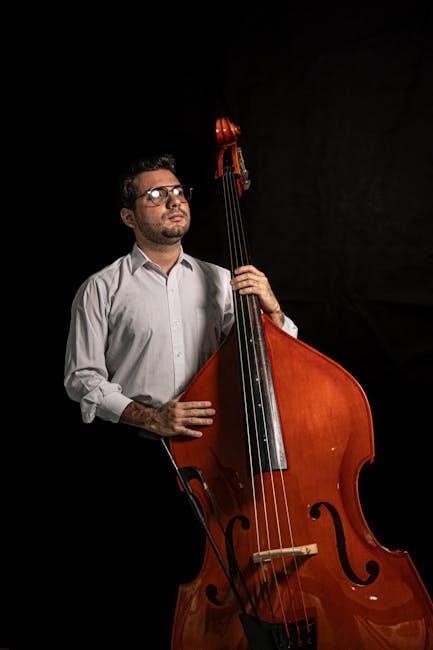
The bass guitar, often underestimated, forms the rhythmic and harmonic foundation of most modern music․ Unlike its higher-pitched cousin, the guitar, the bass operates in the lower frequencies, providing the “groove” that makes you move․ It’s a crucial instrument in genres spanning rock, pop, funk, jazz, and beyond․
At its core, the bass guitar typically has four strings, though five and six-string models exist for extended range․ These strings are tuned E-A-D-G, mirroring the lower four strings of a standard guitar but an octave lower․ This tuning provides a solid base for chords and allows bassists to create compelling walking basslines․
Understanding the bass isn’t just about playing notes; it’s about understanding how those notes interact with the drums and other instruments․ A skilled bassist doesn’t just follow the music; they actively shape it, driving the energy and feel of the song․ Hurstville Music Centre focuses on building this foundational understanding from the very beginning․
Why Choose Bass? The Role in Music
Choosing the bass guitar offers a unique musical experience․ Often overlooked, the bass is arguably the most critical instrument in a band, providing the harmonic and rhythmic glue that holds everything together․ It’s not about flashy solos (though those exist!), but about creating a powerful, driving force․
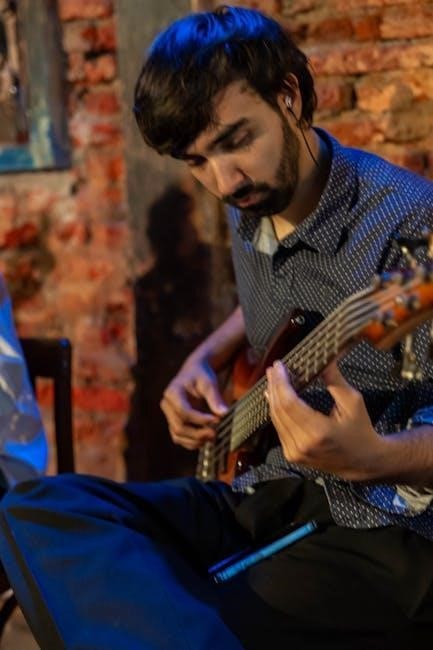
Bassists are in high demand! Every band, from rock ensembles to jazz quartets, needs a solid bass player․ Learning bass opens doors to diverse musical opportunities and collaborative experiences․ It’s a fantastic instrument for those who enjoy being part of a team and contributing to a collective sound․
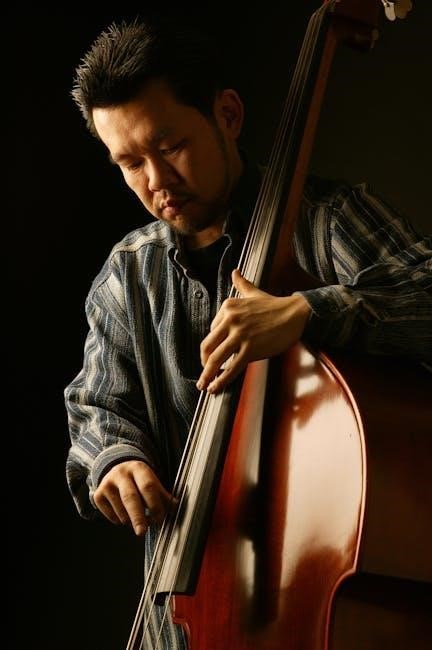
Furthermore, the bass is surprisingly accessible for beginners․ The simpler fretboard patterns and focus on rhythm can make it easier to grasp initially than guitar․ Hurstville Music Centre believes anyone can learn bass, and we tailor our lessons to unlock your musical potential, regardless of prior experience․ Discover the joy of laying down the groove!
Hurstville Music Centre: A Local Hub for Bass Lessons
Hurstville Music Centre proudly serves the Sydney community as a leading provider of high-quality music education, specializing in bass guitar instruction․ We are dedicated to fostering a supportive and inspiring learning environment for students of all ages and abilities․
Our centre boasts experienced and passionate music teachers who cater to individual learning styles․ We offer private, one-on-one, 30-minute classes, ensuring personalized attention and focused progress․ This focused approach allows instructors to tailor lessons to your specific goals, whether you dream of playing rock, funk, jazz, or beyond․
Conveniently located in Hurstville, we provide a comfortable and well-equipped studio space․ We believe learning music should be enjoyable, and our friendly atmosphere encourages creativity and confidence․ From absolute beginners to those looking to refine their skills, Hurstville Music Centre is your local destination for exceptional bass lessons․
Beginner Bass Curriculum ー What to Expect
Our entry-level bass curriculum at Hurstville Music Centre is carefully structured to provide a solid foundation in musicianship․ Initial lessons focus on the fundamentals: proper instrument handling, correct posture, and basic plucking and fretting techniques․ Students will quickly learn to produce a clear and consistent tone․
We introduce essential music theory concepts tailored for bassists, including understanding rhythm, note values, and the musical alphabet․ Simultaneously, students begin learning to read bass tablature, a simplified notation system ideal for beginners․ Early repertoire consists of simple exercises and well-known, easy-to-play riffs․
As students progress, we gradually introduce more complex rhythms, scales, and chord progressions․ Emphasis is placed on developing a strong sense of timing and groove․ Our goal is to empower students to confidently play along with their favorite songs and participate in musical ensembles․ We prioritize a fun and engaging learning experience!
First Steps: Holding the Bass Correctly
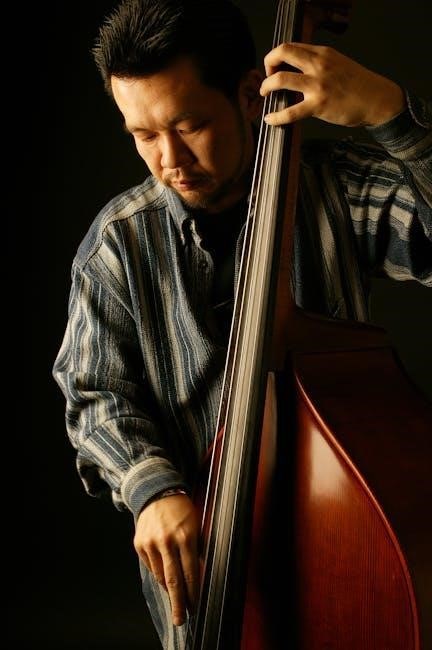
At Hurstville Music Centre, we emphasize proper technique from the very beginning․ Holding the bass correctly is crucial for comfort, preventing injury, and maximizing playing efficiency․ We start with seated posture, ensuring a straight back and relaxed shoulders․ The bass should rest comfortably against your body, with the weight distributed evenly․
Strap adjustment is key, whether sitting or standing․ The bass’s neck should be at a comfortable angle, avoiding strain on your wrist․ Your fretting hand’s thumb should be positioned behind the neck, providing support without squeezing․ The plucking hand should maintain a relaxed wrist motion for optimal tone and speed․
We guide students through exercises to develop proper hand positioning and coordination․ We stress the importance of avoiding tension and maintaining a relaxed grip․ Correct posture and technique are foundational elements of our beginner instruction, setting students up for long-term success and enjoyment․
Understanding Bass Guitar Anatomy
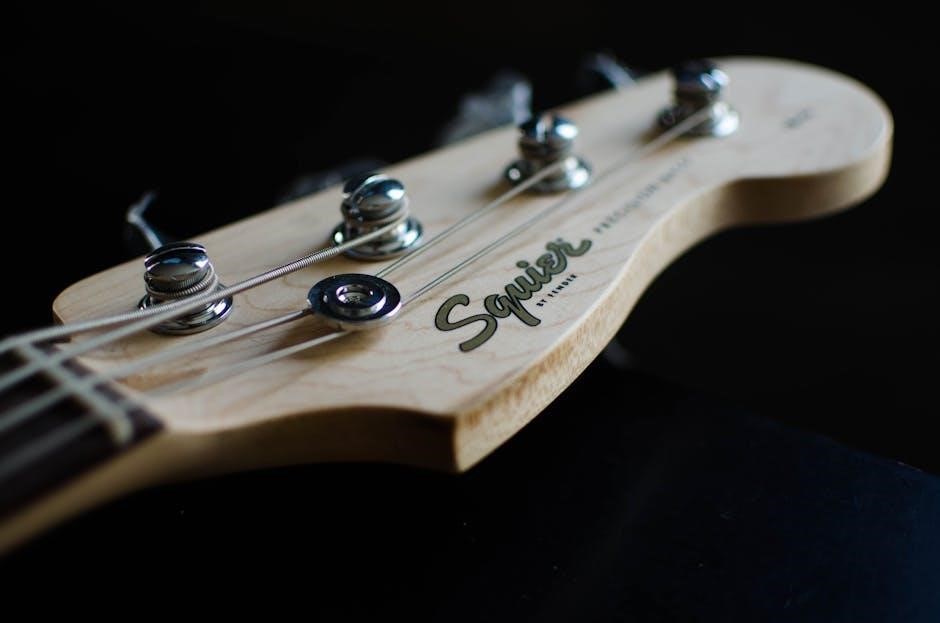
Hurstville Music Centre’s beginner bass lessons begin with a thorough understanding of the instrument itself․ We break down the bass guitar into its core components, starting with the headstock, which houses the tuning pegs used to adjust string pitch․ Next, we cover the neck, explaining the function of the frets and fretboard․
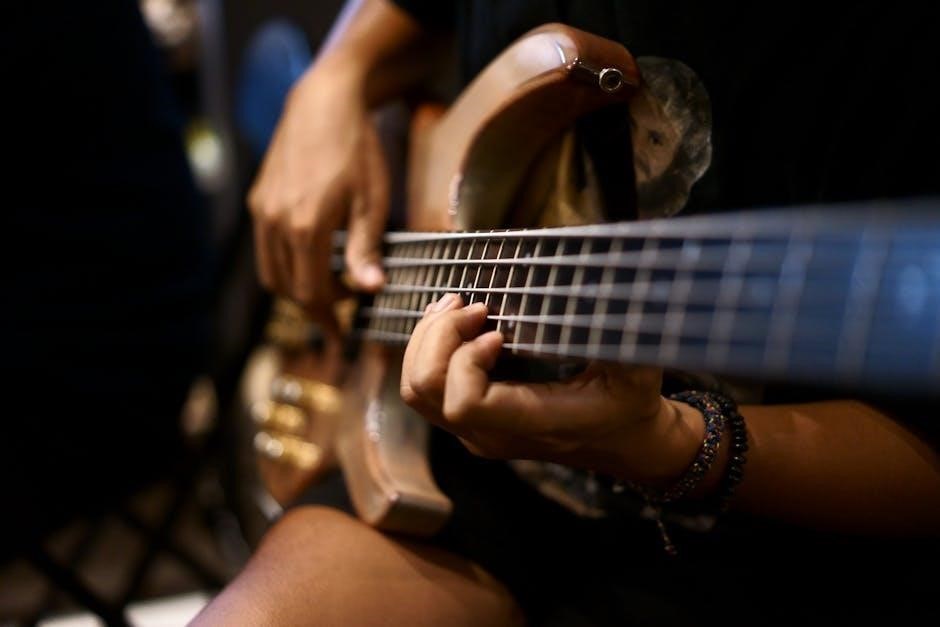
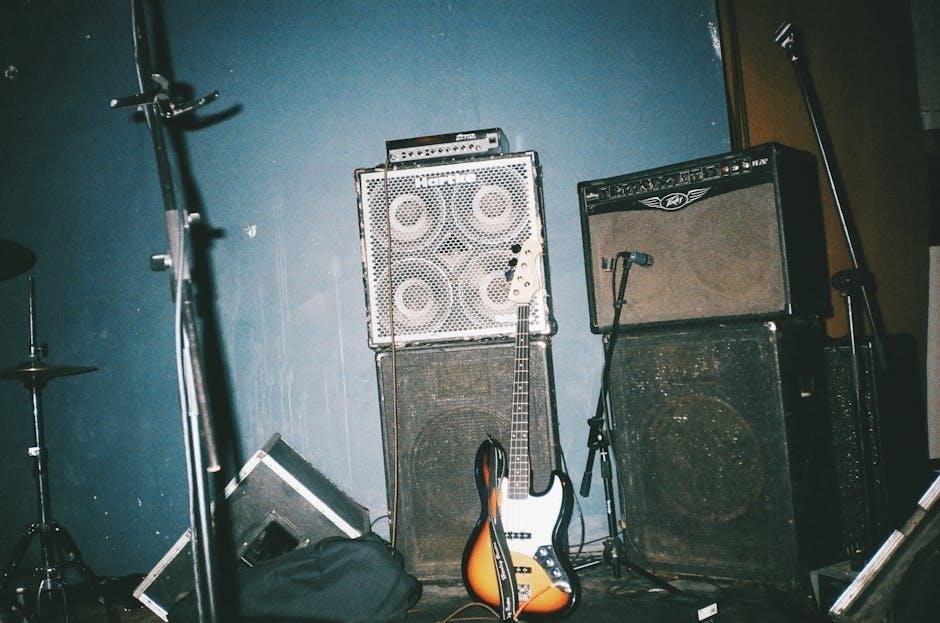
The body of the bass is discussed, highlighting the role of pickups in converting string vibrations into an electrical signal․ We explain the different types of pickups – single-coil and humbucker – and their tonal characteristics․ We also detail the bridge, which anchors the strings to the body and affects sustain․
Controls like volume and tone knobs are explained, demonstrating how they shape the bass’s sound․ Finally, we cover the output jack, where the instrument connects to an amplifier․ Understanding these parts allows students to better care for their instrument and communicate effectively with instructors and technicians․
Basic Music Theory for Bassists
Hurstville Music Centre’s entry-level bass instruction incorporates fundamental music theory concepts crucial for any bassist․ We begin with understanding rhythm – note values, time signatures, and how to read and play in time․ Students learn to count beats and subdivide rhythms, forming the foundation for groove and timing․
Next, we introduce pitch and the musical alphabet, explaining how notes relate to each other on the fretboard․ We cover intervals – the distance between two notes – and their importance in creating melodies and harmonies․ Understanding scales, particularly major and minor scales, is emphasized, as they provide the building blocks for basslines․
We also explore key signatures, which indicate the sharps or flats in a particular key․ Finally, we touch upon basic chord construction, enabling students to understand the harmonic context of the music they’re playing․ This theoretical knowledge empowers bassists to improvise and create their own lines․
Reading Bass Tablature
At Hurstville Music Centre, we recognize that many beginner bassists prefer learning through bass tablature (tab)․ Tab is a simplified notation system that visually represents the fretboard, making it easier to grasp initial concepts without the complexities of standard musical notation․
Our instructors guide students through understanding the lines of the tab, each representing a string on the bass․ Numbers on the lines indicate which fret to press down on that string․ We emphasize recognizing common patterns and relating them to musical phrases․ Students learn to decipher rhythmic notation often included above the tab lines․
While tab is a fantastic starting point, we also subtly introduce the benefits of standard notation alongside it․ We explain how tab relates to notes on the staff, encouraging a gradual transition towards comprehensive music reading skills․ This blended approach ensures students develop both practical playing ability and a deeper musical understanding․
Your First Bass Riffs: Simple Exercises
Hurstville Music Centre’s beginner bass curriculum emphasizes immediate gratification through learning recognizable riffs․ We believe playing actual music quickly boosts motivation and solidifies foundational skills․ Initial exercises focus on simple, repetitive patterns using only a few notes, building finger strength and coordination․
Students begin with riffs based on the root and fifth of common chords – a cornerstone of many popular songs․ We utilize familiar song structures to demonstrate how these riffs function within a musical context․ Emphasis is placed on maintaining a consistent tempo and clean articulation․
Our instructors tailor exercises to individual student preferences, incorporating elements of rock, funk, or pop as desired․ We introduce basic rhythmic variations and encourage students to experiment with dynamics․ The goal is to move beyond simply playing notes to creating a solid, grooving bassline, fostering a love for the instrument․
Finding a Bass Instructor in Hurstville
Hurstville Music Centre stands out as a premier destination for bass instruction within the Sydney region․ When seeking a qualified instructor, consider experience, teaching methodology, and personal compatibility․ A good instructor will tailor lessons to your individual goals and learning style․
Look for instructors with a strong musical background and a proven track record of success․ Hurstville Music Centre prioritizes experienced teachers catering to all ages and levels․ Don’t hesitate to inquire about their qualifications and teaching philosophy․
Beyond qualifications, a positive rapport is crucial․ A comfortable learning environment fosters progress․ Many instructors offer introductory sessions allowing you to assess their suitability․ Consider whether they specialize in your preferred genre – rock, funk, jazz, or pop․ Hurstville Music Centre offers diverse expertise to match your musical aspirations․
Hurstville Music Centre Instructor Profiles
Hurstville Music Centre boasts a team of highly skilled and passionate bass instructors dedicated to nurturing musical talent․ Our instructors possess diverse musical backgrounds, ranging from classical training to extensive performance experience in contemporary genres․
David Chen, a graduate of the Sydney Conservatorium of Music, specializes in foundational bass techniques and music theory․ He excels at building a strong technical base for beginners․ Sarah Kim, a seasoned performer with years of experience in funk and jazz bands, focuses on groove, improvisation, and stylistic versatility․
Michael Lee brings a rock and pop perspective, guiding students through popular basslines and song arrangements․ All instructors at Hurstville Music Centre are committed to providing private, one-on-one lessons tailored to individual needs․ They prioritize creating a supportive and encouraging learning environment, fostering a love for music and empowering students to reach their full potential․
Private vs․ Group Lessons: Which is Right for You?
Choosing between private and group bass lessons at Hurstville Music Centre depends on your learning style and goals․ Private, one-on-one lessons offer personalized attention, allowing the instructor to tailor the curriculum to your specific needs and pace․ This focused approach is ideal for beginners seeking a strong foundation or those with specific musical aspirations․
Group lessons, while not currently a primary offering, can provide a motivating and collaborative environment․ They foster a sense of community and allow students to learn from each other․ However, individual progress may vary within a group setting․
At Hurstville Music Centre, we strongly recommend private lessons for entry-level bass instruction․ The dedicated attention ensures you develop correct technique, address challenges effectively, and receive customized feedback․ This accelerates learning and builds confidence, setting you on a path to musical success․ Our 30-minute private classes are designed for optimal engagement․
Cost of Bass Lessons in Hurstville
At Hurstville Music Centre, we believe quality bass instruction should be accessible․ Our pricing structure is designed to offer value while maintaining a high standard of teaching․ Currently, we primarily offer private, one-on-one bass lessons in 30-minute increments․
The cost for a single 30-minute private lesson is $60․ We also offer package deals for students committed to regular practice and progress․ A package of five lessons is available for $275 (a $25 saving), and a package of ten lessons costs $500 (a $100 saving)․
These prices include the instructor’s time and expertise, and access to our well-equipped teaching facilities․ Additional costs, such as instrument rental or purchase, and accessories, are separate․ We are happy to discuss payment plans and options to suit your budget․ Contact Hurstville Music Centre today for a consultation!
Essential Bass Gear for Beginners
Starting your bass journey requires a few key pieces of equipment; First, of course, is the bass guitar itself! Beginner basses are readily available, and our instructors at Hurstville Music Centre can advise on suitable options․ Don’t overspend initially; a solid, playable instrument is more important than brand prestige․
Next, you’ll need an amplifier․ A practice amp, around 15-20 watts, is sufficient for home use․ A quality instrument cable is crucial to connect your bass to the amp – avoid cheap cables that can introduce noise․ A tuner is absolutely essential for keeping your bass in tune; clip-on tuners are particularly convenient for beginners․
Other helpful accessories include a comfortable strap for playing while standing, and a protective case for transport and storage․ Hurstville Music Centre can assist with sourcing all these items, offering recommendations based on your needs and budget․ We prioritize getting you equipped for success!
Choosing Your First Bass Guitar
Selecting your first bass guitar can feel daunting, but Hurstville Music Centre is here to guide you․ We recommend focusing on playability and comfort over flashy features․ A shorter scale bass (30-inch) can be easier for beginners, especially those with smaller hands․ Consider the body style – some find certain shapes more comfortable to hold․
Don’t immediately prioritize expensive brands․ Many excellent beginner basses offer great value for money․ Look for a bass with a comfortable neck profile and easily adjustable action (string height)․ Solid-body basses are generally more versatile than hollow-body models for beginners․
Our instructors at Hurstville Music Centre can help you test different basses, assess their feel, and ensure a good fit․ We emphasize finding an instrument that inspires you to practice and enjoy learning․ Remember, the right bass will make your initial learning experience much more rewarding!
Amplifiers and Cables: What You Need
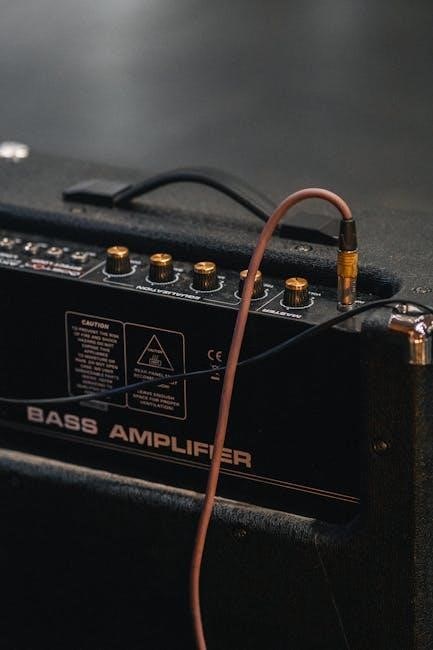
A quality amplifier is crucial for hearing your bass properly, and Hurstville Music Centre can advise on suitable options․ For beginners, a practice amp between 15-20 watts is generally sufficient․ Look for features like a headphone jack for silent practice and basic EQ controls (bass, mid, treble) to shape your tone․
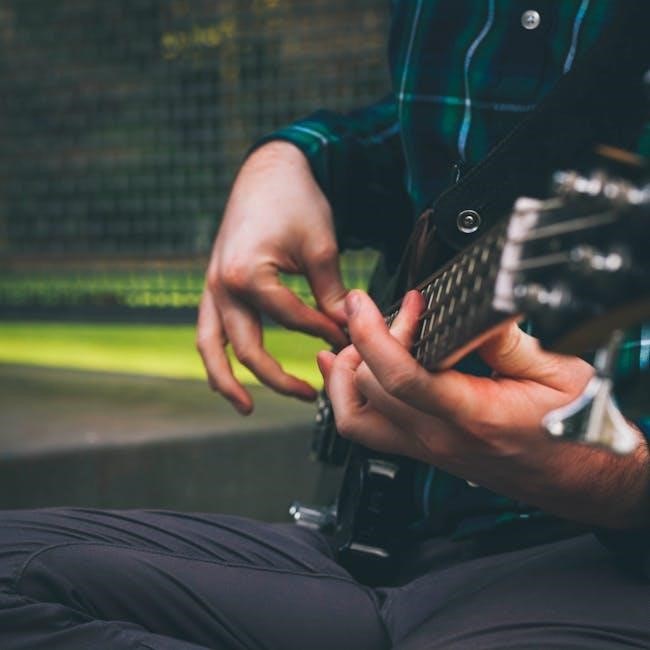
Solid-state amplifiers are typically more affordable and reliable for beginners than tube amps․ Don’t overspend on wattage – you won’t need a massive amp for home practice․ Alongside the amp, you’ll need an instrument cable to connect your bass․ A 10-foot cable is a good starting length, offering flexibility without excessive slack․
At Hurstville Music Centre, we stock reliable cables known for their durability and clear signal transmission․ Avoid extremely cheap cables, as they can introduce noise and interference․ Investing in a decent cable ensures a better sound and a more enjoyable playing experience․
Accessories: Tuners, Straps, and Cases
Beyond the bass and amp, several accessories enhance your learning experience․ A tuner is essential for ensuring your bass is in tune – Hurstville Music Centre offers both clip-on and pedal tuners․ Clip-on tuners are incredibly convenient for beginners, attaching directly to the headstock․
A comfortable strap is vital if you plan to play standing up․ Adjustable straps allow you to find the perfect playing height․ We carry a variety of straps at Hurstville Music Centre, catering to different preferences and styles․ Finally, a case protects your investment during transport and storage․
Gig bags offer lightweight protection, while hard cases provide superior durability․ Consider your budget and how frequently you’ll be transporting your bass․ Don’t underestimate the importance of these often-overlooked items; they contribute significantly to a positive and practical learning journey․
Practice Tips for Rapid Improvement
Consistent practice is key to mastering the bass guitar․ At Hurstville Music Centre, we emphasize structured practice routines over lengthy, unfocused sessions․ Aim for short, daily practices – even 15-30 minutes can yield significant results․
Start with warm-up exercises, focusing on finger dexterity and coordination․ Gradually introduce new techniques and scales․ Utilize a metronome to develop a strong sense of timing and rhythm․ Record yourself playing to identify areas for improvement․
Break down complex basslines into smaller, manageable sections․ Slow practice allows for accuracy before increasing speed․ Don’t be afraid to revisit previously learned material to reinforce your skills․ Hurstville Music Centre instructors can help you create a personalized practice plan tailored to your goals and learning style․
Setting Realistic Goals
Embarking on your bass journey with Hurstville Music Centre requires establishing achievable goals․ Avoid overwhelming yourself with ambitious targets initially․ Focus on mastering fundamental techniques – proper hand positioning, basic rhythms, and simple scales – before tackling complex basslines․
Break down larger goals into smaller, incremental steps․ For example, instead of aiming to learn an entire song in a week, focus on mastering one section each day․ Celebrate small victories to maintain motivation and build confidence․
Regularly assess your progress with your Hurstville Music Centre instructor․ They can provide valuable feedback and adjust your goals as needed․ Remember that learning an instrument is a marathon, not a sprint․ Patience and persistence are crucial for long-term success․
Effective Practice Routines
At Hurstville Music Centre, we emphasize structured practice for optimal results․ A typical routine should begin with warm-up exercises – scales, finger stretches, and simple rhythmic patterns – to prepare your hands and mind․
Dedicate specific time slots to different aspects of bass playing: technique, music theory, learning songs, and improvisation․ Short, focused practice sessions (20-30 minutes) are often more effective than long, unfocused ones․ Consistency is key; aim to practice regularly, even if it’s just for a short period each day;
Utilize a metronome to develop a strong sense of timing․ Record yourself playing to identify areas for improvement․ Don’t be afraid to slow down challenging passages and gradually increase the tempo․ Your Hurstville instructor can help tailor a routine to your individual needs and goals․
Common Beginner Mistakes to Avoid
Starting bass lessons at Hurstville Music Centre is exciting, but beginners often encounter similar hurdles․ One frequent issue is improper hand positioning, leading to fatigue and hindering technique․ Ensure a relaxed grip and correct thumb placement, as guided by your instructor․
Many students rush through exercises, sacrificing accuracy for speed․ Prioritize clean, precise playing at a slower tempo before attempting faster speeds․ Neglecting the metronome is another common error; it’s crucial for developing solid timing and rhythm․
Furthermore, avoid solely focusing on learning songs without building a foundation in technique and music theory․ This can lead to plateaus and limit your overall musical understanding․ Remember, consistent, mindful practice, with guidance from your Hurstville teacher, is the key to overcoming these challenges․
Bass Styles Explored: From Rock to Funk
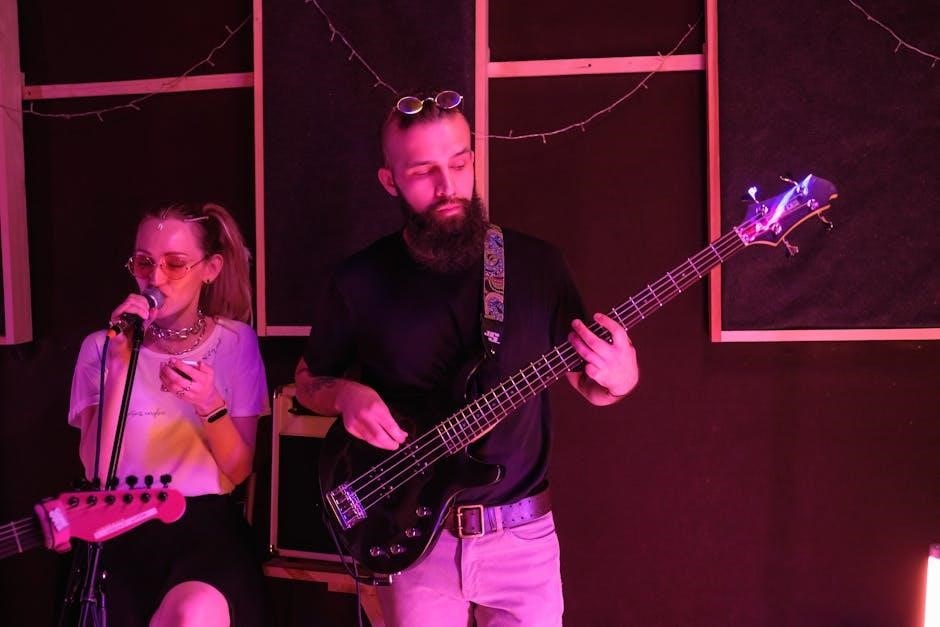
At Hurstville Music Centre, our bass lessons aren’t confined to a single genre․ We believe exploring diverse styles is crucial for developing a well-rounded bassist․ Beginner instruction often begins with foundational rock techniques – simple root notes and power chords – building a solid rhythmic base․
As students progress, we introduce funk basslines, emphasizing syncopation, ghost notes, and slap bass techniques․ These styles demand greater dexterity and rhythmic complexity, pushing students to refine their skills․ Blues bass provides a fantastic platform for learning improvisation and understanding chord progressions․
We also delve into the nuances of jazz bass, focusing on walking basslines and harmonic awareness․ Our Hurstville instructors tailor lessons to individual preferences, ensuring students enjoy the learning process while expanding their musical horizons․ Ultimately, versatility is a key asset for any bassist․
Popular Basslines to Learn
Hurstville Music Centre’s beginner bass curriculum incorporates learning iconic basslines to solidify technique and musicality․ Students often start with easily recognizable riffs like those from “Seven Nation Army” by The White Stripes – a simple yet effective exercise in rhythm and tone․
Next, we introduce the bassline from “Another One Bites the Dust” by Queen, focusing on syncopation and groove․ Learning “Billie Jean” by Michael Jackson challenges students with a more complex rhythmic pattern and introduces ghost notes․ These songs are popular choices because they are instantly recognizable and fun to play․
Further exploration includes basslines from classic rock anthems and funk staples․ Our Hurstville instructors emphasize not just playing the notes, but understanding the harmonic context and rhythmic feel․ Mastering these popular lines builds confidence and provides a foundation for creating original bass parts․
Resources for Continued Learning
Hurstville Music Centre believes in fostering independent musical growth․ Beyond our lessons, numerous resources support your bass journey․ Websites like StudyBass offer comprehensive theory lessons and exercises, ideal for reinforcing concepts learned in our Hurstville studio․
YouTube channels, such as TalkingBass and Scott’s Bass Lessons, provide a wealth of free tutorials, covering everything from technique to song breakdowns․ For tablature and chord charts, Ultimate-Guitar․com is an invaluable resource․ We also encourage students to explore online bass communities and forums․
Local music stores in the Sydney area often host workshops and masterclasses․ Engaging with fellow bassists through jam sessions – readily available within Hurstville’s music scene – is crucial for developing your ear and improvisational skills․ Remember, consistent practice and exploration are key to unlocking your full potential!
Local Hurstville Music Communities & Jam Sessions
Hurstville boasts a vibrant, supportive music community, perfect for beginner bassists seeking real-world experience․ Several local pubs and venues, like the Hurstville RSL and smaller bars along Forest Road, regularly host open mic nights and jam sessions – excellent opportunities to connect with other musicians․
Facebook groups dedicated to Sydney musicians and specifically Hurstville-based artists are fantastic for finding bandmates and learning about upcoming events․ Hurstville Music Centre often organizes student jam sessions, providing a comfortable and encouraging environment to practice your skills․
Participating in these events isn’t just about playing; it’s about listening, learning from others, and building confidence․ Don’t be afraid to ask questions and embrace the collaborative spirit․ Remember, the best way to improve is to play with others and immerse yourself in the local music scene!